Reported by Doose Johanna Hannu
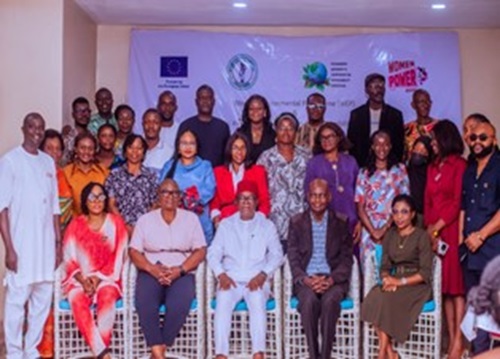
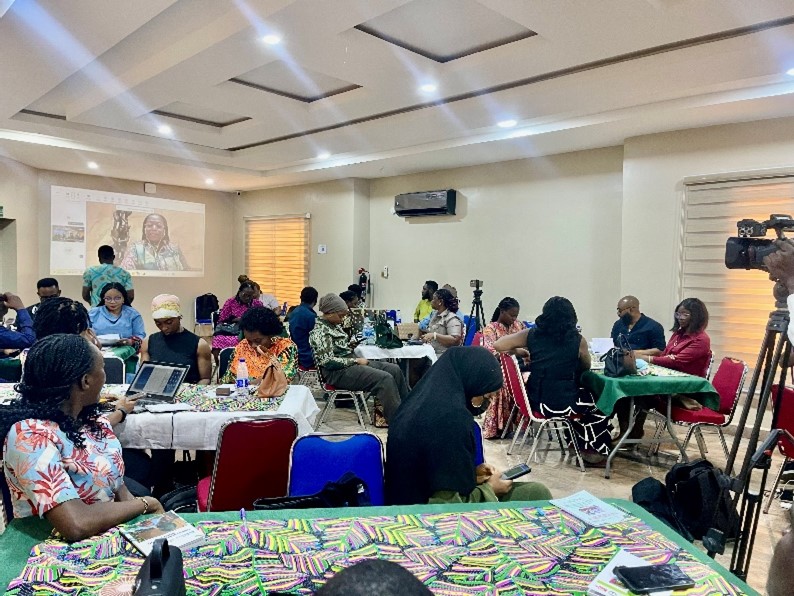
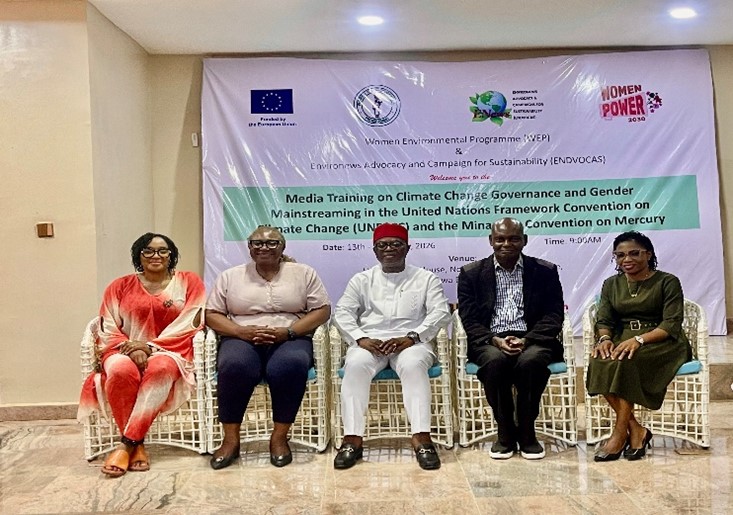
Climate and Sustainable Development Network of Nigeria (CSDevNet), in partnership with EnviroNews Advocacy & Campaigns for Sustainability (Endvocas) and the Women Environmental Programme (WEP), participated in a two-day Media Training on Climate Governance and Gender Mainstreaming in the United Nations Framework Convention on Climate Change (UNFCCC) and the Minamata Convention on Mercury held in Abuja.
The training brought together over 50 media houses, broadcasters, journalists, and communication specialists to strengthen environmental reporting, climate governance, and gender-responsive communication in Nigeria.
Stakeholders at the event called for urgent and coordinated action to strengthen climate governance, gender inclusion, and environmental reporting in Nigeria amid growing concerns over the impact of climate change and toxic pollution on vulnerable communities.
Welcoming participants to the event, Publisher of EnviroNews Nigeria and Executive Director of Endvocas, Michael Simire, described the gathering as timely, noting that worsening climate impacts such as floods, heatwaves, biodiversity loss, and pollution were becoming more severe across the country.
Simire said global environmental frameworks such as the UNFCCC and the Minamata Convention on Mercury provided pathways for addressing climate and chemical pollution challenges but stressed that their effectiveness depended on public understanding, media engagement, and institutional accountability.
“He emphasised the strategic role of journalists in shaping public discourse, saying the media remained critical in influencing policy, educating citizens, amplifying community voices, and strengthening environmental governance through informed reporting.
Delivering the keynote address on behalf of the National Network Coordinator, Mr. Abuh Stephen Monday, the Communication Assistant, Doose Johanna Hannu, stated:
“Journalists are not merely observers of events. You are interpreters of evidence, shapers of public discourse, and bridges between science, policy, and society. The quality of environmental reporting directly influences how citizens understand climate risks, how leaders are held accountable, and how communities respond to emerging challenges.”
As preparations continue toward COP31, global conversations around climate finance, adaptation, loss and damage, energy transition, and accountability will intensify. Yet, beyond the negotiations and technical language, there remains a fundamental responsibility: ensuring that ordinary people understand what these global decisions mean for their daily lives, livelihoods, and future.” She added.
The objectives of strengthening media capacity on UNFCCC processes, improving climate and science communication, promoting ethical and data-driven environmental journalism, and enhancing collaboration between journalists and scientists are essential to building an informed and engaged society.”
The former lawmaker said Nigeria had made institutional progress through the Climate Change Act 2021, which established the National Council on Climate Change and introduced frameworks for emissions reduction, carbon budgeting, climate financing, and integration of climate action into governance and national development planning.
He also commended the administration of Bola Ahmed Tinubu for climate-related reforms, including fuel subsidy removal, renewable energy initiatives, implementation of the Electricity Act 2023, climate-smart agriculture, compressed natural gas programmes, and green financing efforts aimed at supporting sustainable development.
Welcoming partcipants, Founder and Global Lead of the Women Environmental Programme, Priscilla Mbarumun Achakpa, described climate change and mercury pollution as urgent threats affecting women, children, artisanal miners, farmers, and low-income communities, while urging stronger environmental awareness and public engagement.
The technical session titled “Understanding the Outcomes of COP30 and Exploring the Emerging Dynamics of COP31” was delivered by Michael Simire, Publisher of EnviroNews Nigeria and Executive Director of EnviroNews Advocacy & Campaigns for Sustainability (Endvocas): In his presentation, Simire provided participants with an overview of the major outcomes and negotiations from COP30, highlighting key discussions around climate finance, adaptation, mitigation, loss and damage, energy transition, and accountability mechanisms.
He noted that COP30 further reinforced the urgent need for stronger global commitments and inclusive climate actions that respond to the realities faced by vulnerable communities, particularly across Africa.
He emphasized that while progress was recorded in global climate discussions, significant gaps still remain in the implementation of climate pledges, especially in areas relating to adaptation financing and support for developing nations. According to him, the climate crisis continues to disproportionately affect vulnerable populations, making equity and justice central to future climate negotiations.
Speaking on the emerging dynamics of COP31, Simire explained that conversations around climate accountability, transparency, gender inclusion, and locally driven climate solutions are expected to take center stage. He stressed the growing importance of the media in simplifying complex climate negotiations and ensuring that citizens understand how international climate policies affect their everyday lives.
He further encouraged journalists and communication professionals to strengthen data-driven environmental reporting, amplify community voices, and promote fact-based climate communication capable of influencing policy, governance, and public action.
The training reinforced the critical role of the media, civil society organizations, and climate stakeholders in advancing climate governance, mainstreaming gender in climate change discussions, and strengthening environmental accountability in Nigeria. It also highlighted the importance of deepening public understanding of global environmental frameworks such as the United Nations Framework Convention on Climate Change (UNFCCC) and the Minamata Convention on Mercury as preparations continue toward COP31.
Participants were encouraged to promote accurate, ethical, and science-based environmental reporting, strengthen collaboration between journalists and climate experts, and amplify community voices in climate and environmental conversations. The session further emphasized the need for inclusive participation, gender-responsive climate action, and increased awareness of the dangers of mercury pollution and other environmental threats affecting vulnerable communities.
The training concluded with a renewed call for collective action, informed communication, and stronger partnerships among the media, government institutions, civil society organisations, and development partners to build climate resilience and promote sustainable development in Nigeria.