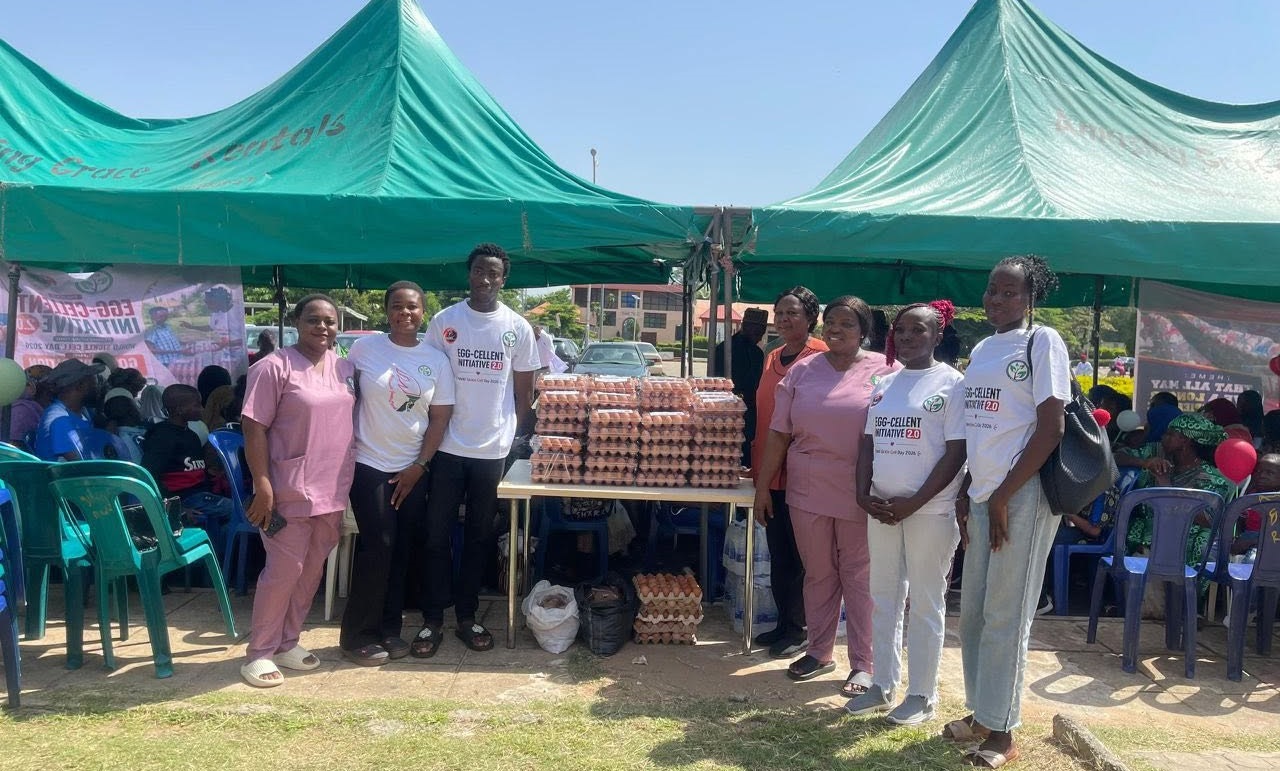
Climate and Sustainable Development Network (CSDevNet), in collaboration with the Sickle Cell Free Society Initiative (SCFSI), commemorated World Sickle Cell Day 2026 with the implementation of the Egg-Cellent Initiative 2.0 at the Paediatric Ward of the University of Abuja Teaching Hospital (UATH), in line with this year’s global theme, “Good Nutrition Matters in Sickle Cell Care.”
The initiative was designed to draw attention to the critical role of nutrition in the care and management of sickle cell disorder while strengthening awareness on the need for holistic approaches that improve the wellbeing of people living with the condition.
Sickle cell disorder remains one of the most prevalent inherited blood disorders worldwide, affecting millions of individuals and presenting significant public health challenges, particularly in developing countries. Despite advances in healthcare and treatment, many individuals living with sickle cell disorder continue to face barriers that impact their quality of life, including limited access to adequate nutrition and comprehensive healthcare services.
Nutrition is increasingly recognized as a vital component of effective sickle cell management. Individuals living with sickle cell disorder often require increased nutritional support to meet the body’s heightened energy demands. Access to balanced and nutrient-rich diets can help strengthen the immune system, support healthy growth and development, reduce the risk of infections, and contribute to improved health outcomes.
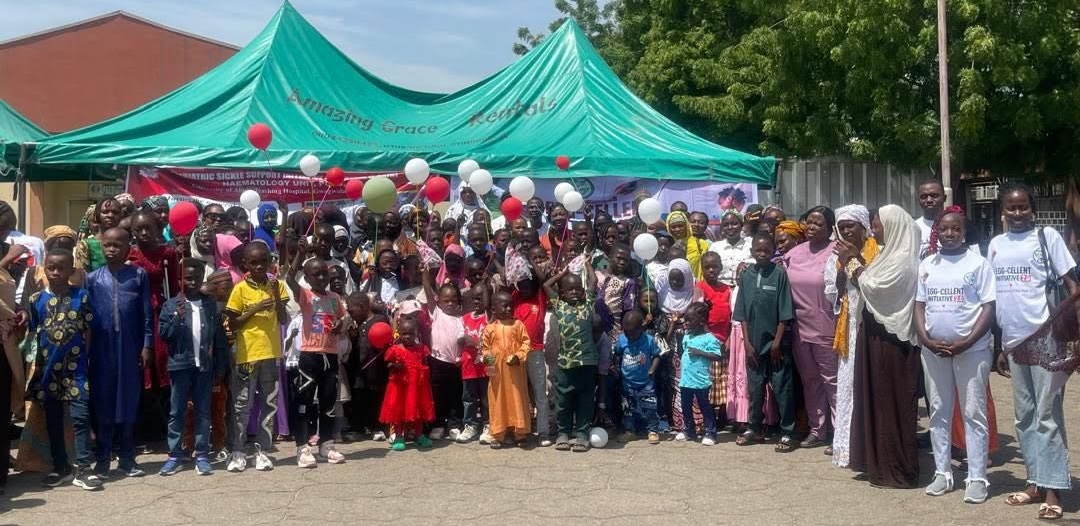
The 2026 World Sickle Cell Day theme, “Good Nutrition Matters in Sickle Cell Care,” reinforces the importance of integrating nutrition into broader healthcare strategies. It highlights the need for governments, healthcare institutions, civil society organizations, and communities to prioritize nutrition as an essential element of sickle cell care rather than an optional addition.
During the commemoration at the Paediatric Ward of the University of Abuja Teaching Hospital, patients, caregivers, and healthcare stakeholders were engaged on the importance of proper nutrition and supportive care for children living with sickle cell disorder. The activity served as an opportunity to raise awareness and encourage practical actions that can improve the health and wellbeing of sickle cell warriors.
Speaking during the event, Peace Abuh, Network Member of the Climate and Sustainable Development Network (CSDevNet) and Executive Director of the Sickle Cell Free Society Initiative (SCFSI), emphasized the importance of proper nutrition in supporting individuals living with sickle cell disorder and called on families and communities to create environments that foster resilience and self-worth among sickle cell warriors.
“Good nutrition is one of the foundations of healthy living, especially for individuals living with sickle cell disorder. We must intentionally promote healthy eating habits and ensure that people living with the condition receive the nutritional support they need to thrive. Equally important is the way we speak to our children. Parents should never break their children who are sickle cell warriors with negative words or limiting labels. Instead, they should build them up with encouragement, love, confidence, and hope, empowering them to believe in their abilities and live fulfilling lives despite the challenges they may face,” she stated.
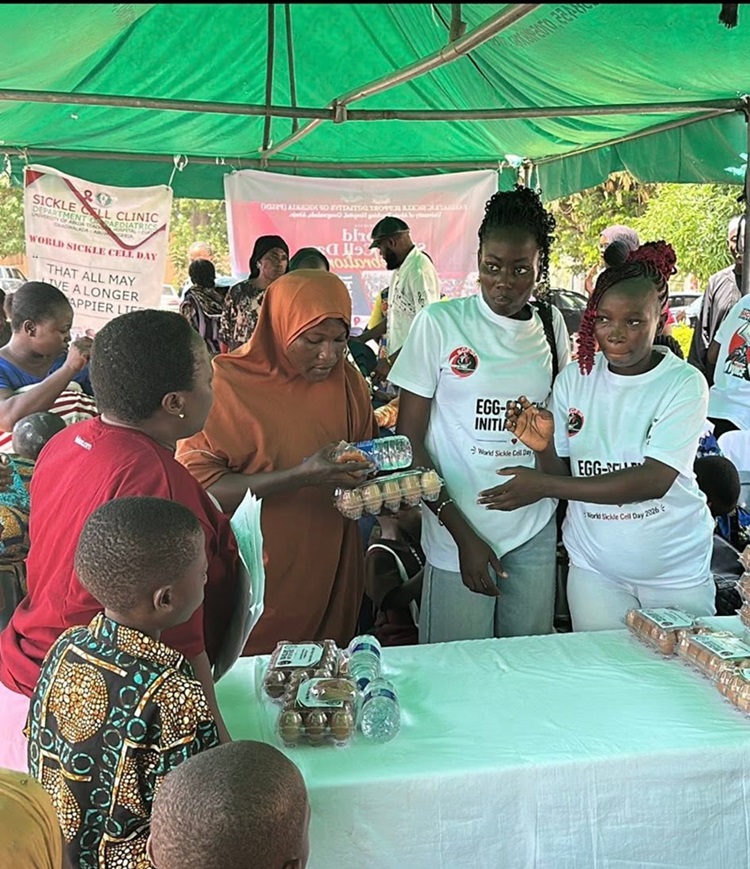
The message resonated strongly with caregivers and healthcare professionals, highlighting the importance of combining quality healthcare with emotional support, positive reinforcement, and adequate nutrition to improve outcomes for children living with sickle cell disorder.
Beyond healthcare, the initiative aligns with broader sustainable development objectives that seek to improve health and wellbeing, reduce inequalities, and ensure inclusive access to opportunities and services. Investing in the health of people living with sickle cell disorder contributes to stronger communities, increased productivity, and more resilient societies.
As the world commemorates World Sickle Cell Day 2026, the message remains clear: nutrition is not merely a dietary concern but a fundamental aspect of quality healthcare. Ensuring that individuals living with sickle cell disorder have access to adequate nutrition is an important step toward improving health outcomes and enabling them to lead healthier, more fulfilling lives.
The Egg-Cellent Initiative 2.0 stands as a reminder that meaningful progress in sickle cell care requires collective action, sustained awareness, and continued commitment to the wellbeing of those living with the condition. By recognizing the importance of good nutrition and fostering supportive environments for sickle cell warriors, stakeholders can help create a future where every individual affected by sickle cell disorder has the opportunity to thrive.
Together, we can build a future where awareness, nutrition, compassion, and quality healthcare work hand in hand to improve outcomes for people living with sickle cell disorder and ensure that no one is left behind.