Written by: Mariam Idris
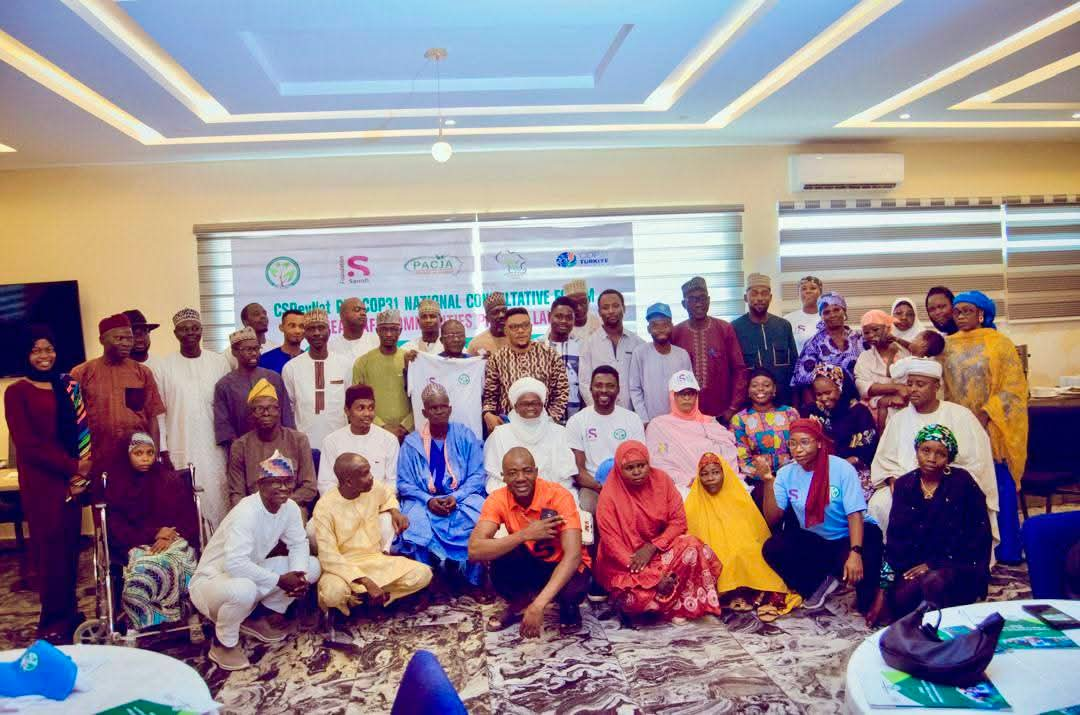
The Climate and Sustainable Development Network of Nigeria (CSDevNet) convened the Pre-COP31 National Consultative Forum in Kano State on 14 October 2026, bringing together stakeholders from government institutions, the health and environment sectors, academia, civil society organisations (CSOs), traditional institutions, development partners, and community representatives to discuss Nigeria’s climate priorities ahead of the 31st Conference of the Parties to the United Nations Framework Convention on Climate Change (COP31).
The consultative forum underscored the urgent need to translate Nigeria’s national and international climate commitments into practical interventions that protect lives, safeguard livelihoods, strengthen community resilience, and advance sustainable development.
CSDevNet Calls for Collective Action Ahead of COP31
In his welcome remarks, the National Network Coordinator of CSDevNet, Abuh Stephen, emphasised the importance of collective participation in shaping Nigeria’s climate priorities ahead of COP31. He noted that the presence of stakeholders at the forum demonstrated a shared commitment to addressing the impacts of climate change, particularly extreme heat and its implications for public health and community wellbeing.
He stressed that every voice and contribution matters in ensuring that community concerns are reflected in national climate policies and global negotiations.
“Being here is a contribution to our community. As we prioritise climate action in Nigeria ahead of COP31, our presence, our voices, and our positions matter,” he stated.

Abuh encouraged participants to engage actively in the discussions, share practical experiences, and collaborate towards community-driven solutions that strengthen Nigeria’s capacity to respond to extreme heat and other climate-related challenges.
- Kano State House of Assembly Pledges Legislative Support for Climate Action
Muhammad Lawal Tijani a representative of the Kano State House of Assembly highlighted the growing threat of rising temperatures to vulnerable populations, public infrastructure, and livelihoods. The representative emphasised the importance of inter-agency cooperation and legislative support to ensure that climate adaptation policies are effectively implemented.
The Assembly reaffirmed the need to move beyond policy commitments towards practical interventions that address the everyday challenges faced by Nigerians.
“As Nigeria prepares for COP31, it is important that our climate commitments translate into practical interventions that address the everyday realities of our people,” the representative stated.
The remarks reinforced the importance of legislative engagement, institutional coordination, and effective policy implementation in building a climate-resilient Nigeria.
In her presentation on Nigeria’s Negotiation Priorities at COP31, Dr. Adesola Olatunde Effiwatt, representing the Director-General of the National Council on Climate Change (NCCC), highlighted key priorities for Nigeria’s climate diplomacy, including climate finance, carbon markets under Article 6 of the Paris Agreement, methane emission reduction, a just energy transition, transparency, and climate resilience. She emphasised the need to expand access to concessional climate finance, strengthen carbon market systems, reduce methane emissions from the oil and gas sector, promote clean cooking solutions and green industrialisation, and ensure that adaptation financing reaches vulnerable communities.
Dr. Effiwatt also presented HeatSafe Kano as a model for translating national climate commitments into practical community action through heat-health protocols, early warning systems, stronger primary healthcare responses, and grassroots mobilisation involving Heat Champions, CSDevNet, and the Sanofi Foundation. She noted that the initiative could be replicated across Nigeria’s 36 states and the Federal Capital Territory, as well as other vulnerable communities in Sub-Saharan Africa. She urged state and local governments to integrate heat-health measures into development plans and healthcare systems, international partners to increase funding for community resilience, and civil society organisations to strengthen grassroots engagement and ensure climate advisories reach households.
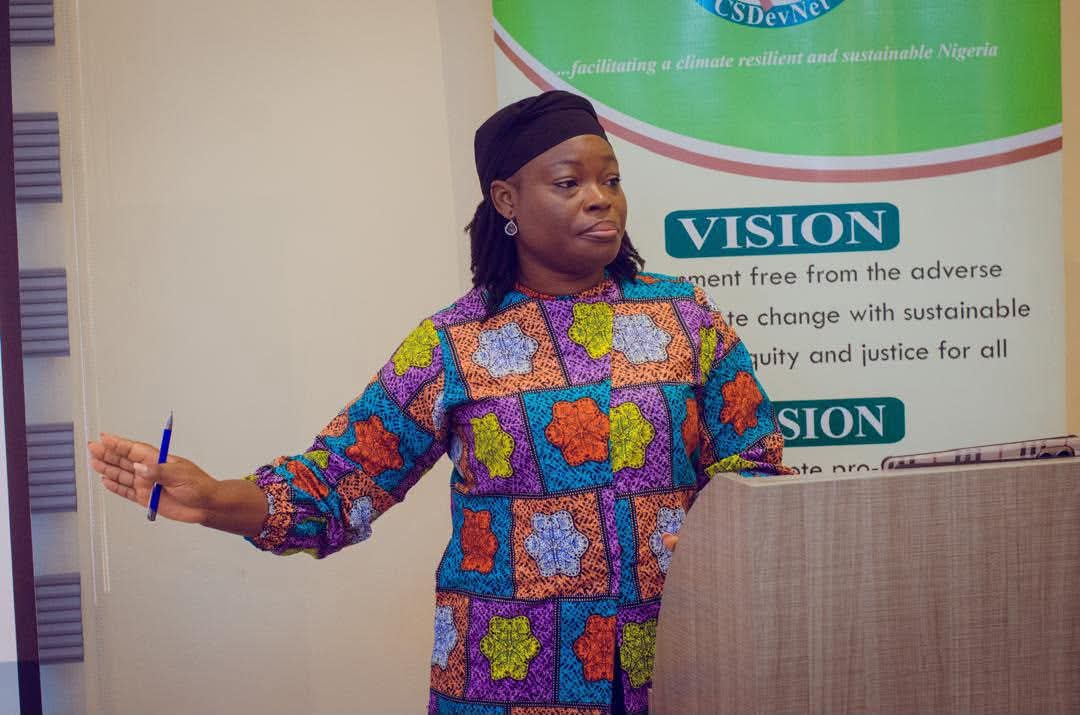
She emphasised the need to connect international climate negotiations with tangible improvements in the lives of vulnerable populations, stating: “National leadership in global climate diplomacy is validated by how effectively we protect our communities.”
The panel session, themed “Priority Climate Actions for Nigeria Ahead of COP31,” brought attention to the importance of climate change awareness, inclusive policymaking, community ownership, and stronger coordination among relevant institutions.
Discussions highlighted the need to expand climate education and ensure that knowledge gained through national forums and climate initiatives reaches rural communities and households. Participants stressed that climate awareness should go beyond information-sharing to encourage practical action and sustainable behavioural change.
The session also emphasised the importance of including women, young people, persons with disabilities, farmers, and other vulnerable groups in climate decision-making and programme implementation.
Participants called for the effective implementation of the Climate Change Act and relevant environmental regulations, improved access to affordable clean cooking energy, sustainable use of agricultural residues, and increased investment in land restoration and community resilience.
The panel further underscored the need for stronger coordination among government ministries, departments, and agencies to prevent conflicting policies, reduce duplication of efforts, and maximise the impact of climate interventions.
In addition, participants advocated for increased climate finance, stronger grassroots engagement, and the expansion of successful community-based initiatives, including HeatSafe Kano, to other communities facing similar climate risks.
Key Recommendations from the Forum
Following the presentations and deliberations, participants outlined recommendations to strengthen Nigeria’s climate response and ensure that climate commitments translate into meaningful outcomes for communities.
1. Strengthen climate change awareness: Expand climate education and public awareness campaigns, particularly in rural and vulnerable communities, using accessible communication methods and local languages.
2. Translate knowledge into action: Apply lessons from consultative forums through practical interventions at household, community, local government, and state levels.
3. Promote inclusive climate policymaking: Ensure the meaningful participation of women, young people, persons with disabilities, traditional institutions, farmers, and other vulnerable groups in climate policy development and implementation.
4. Strengthen the implementation of existing climate policies: Improve the implementation and enforcement of the Climate Change Act and other relevant environmental regulations, including appropriate compliance measures for industries and individuals.
5. Reduce dependence on traditional firewood: Promote affordable and cleaner cooking alternatives, particularly in rural communities, to reduce pressure on forests and limit harmful household air pollution.
6. Improve access to clean energy solutions: Explore subsidies, incentives, and financing mechanisms that make clean cooking technologies and alternative energy sources more accessible and affordable.
7. Promote sustainable use of agricultural residues: Support safe and sustainable technologies that convert agricultural residues into clean cooking energy, reducing dependence on unsustainable biomass sources.
8. Scale up climate finance: Mobilise domestic and international climate finance, including concessional funding and appropriate private-sector investment, to support climate adaptation, clean energy, land restoration, and community resilience.
Call to Action Ahead of COP31
The forum called on the Federal Government of Nigeria, the National Council on Climate Change, state and local governments, relevant ministries and agencies, development partners, the private sector, academia, and civil society organisations to strengthen collective action towards a climate-resilient Nigeria.
The Federal Government and relevant institutions were urged to ensure that Nigeria’s COP31 negotiating priorities reflect the needs of vulnerable communities, particularly in the areas of climate finance, extreme heat, public health, clean energy access, adaptation, and loss and damage.
State and local governments were encouraged to institutionalise heat-health action plans, integrate climate risks into development planning, and strengthen implementation at the community level.
Civil society organisations were called upon to sustain grassroots engagement, facilitate community participation, promote accountability, and ensure that climate information and early warnings reach households in accessible and understandable formats.
Development partners and the private sector were also encouraged to support scalable, locally led climate solutions and expand investment in clean energy and climate resilience.
Participants emphasised that effective climate action requires moving beyond commitments and declarations towards measurable outcomes that improve public health, protect livelihoods, restore ecosystems, and strengthen community resilience.
As Nigeria prepares for COP31, the Pre-COP31 National Consultative Forum convened by CSDevNet reinforced the importance of connecting global climate negotiations with local realities. Through stronger partnerships, inclusive policies, accessible climate information, and sustained investment in community-led solutions, Nigeria can advance a climate response that places people, public health, and resilience at the centre of sustainable development.