Written by: Mariam Idris
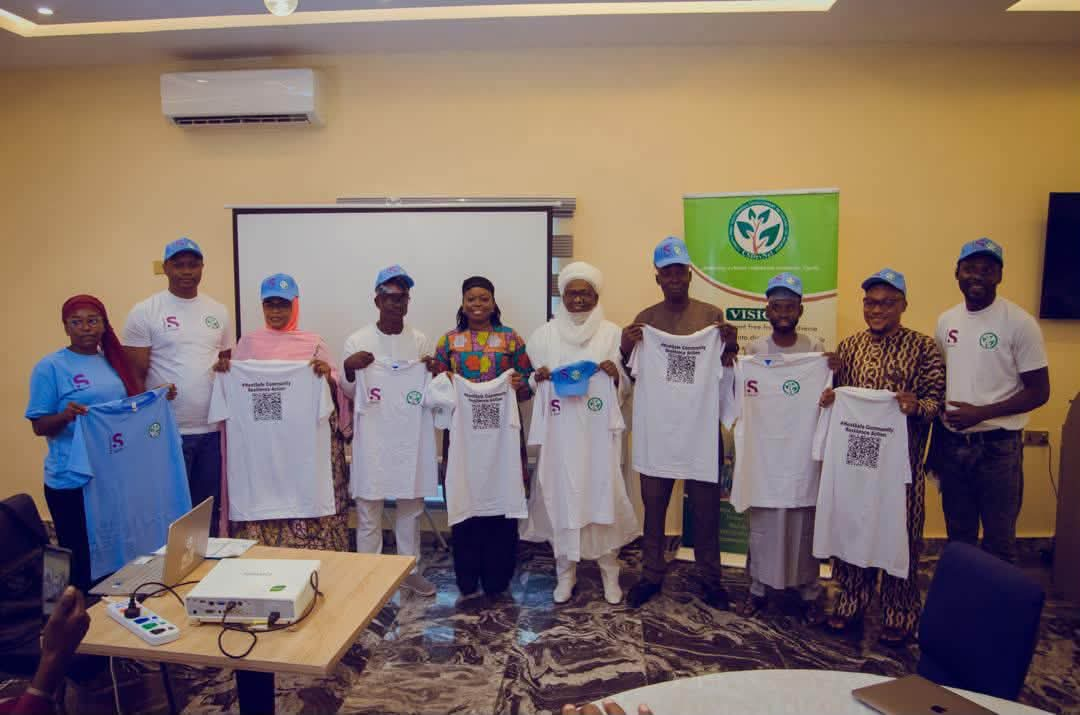
On October 14th, the Climate and Sustainable Development Network of Nigeria (CSDevNet) launched the HeatSafe Communities: Protecting Women, Children and Outdoor Workers from Extreme Heat Health Risks in Nigeria project, a two-year initiative aimed at reducing heat-related health risks and strengthening the resilience of community and primary healthcare systems in vulnerable communities across Kano State. The event brought together traditional/religious leaders, women, youths, and Persons with Disabilities (PWDs) from each of the five local government areas of the project implementation.
Supported by the Sanofi Foundation Climate Action & Health Resilience Grants Programme, the project will run with implementation across five Local Government Areas (LGAs): Gaya, Kumbotso, Dala, Wudil and Tarauni. The initiative recognises extreme heat as both an environmental and public health challenge, particularly for women, children, pregnant women and outdoor workers who face increased exposure to high temperatures and may have limited access to information, preventive measures and timely healthcare services.
In his goodwill message on behalf of the Director-General/CEO of the Nigerian Meteorological Agency (NiMet), Prof. Charles Anosike, and the agency’s management, the representative reaffirmed NiMet’s commitment to strengthening Nigeria’s resilience to extreme heat through timely weather forecasts, accessible heat alerts, community-based action plans, and strategic partnerships with health and environmental stakeholders. He emphasised that extreme heat is not merely an environmental concern but an increasing public health challenge, particularly for vulnerable populations across Nigeria’s Northwest region. He called for practical, community-driven solutions that translate climate information into actions that protect lives and strengthen local resilience.
As he noted, “Resilience will not be built in Abuja or in our offices alone. It will be built in our communities.”
He concluded by encouraging stakeholders to work collaboratively towards sustainable climate and health interventions that can be implemented locally and scaled across Nigeria.
A key component of the project is the establishment of five youth-led Heat Action Hubs, with one linked to each target LGA. These hubs will serve as community platforms for heat-risk awareness, local preparedness, information sharing and coordinated responses to extreme heat.
CSDevNet also plans to train 100 Heat Champions, with at least 60 per cent female participation, to support community outreach, promote household heat-protection practices, identify heat-related risks and strengthen connections between vulnerable residents and primary healthcare facilities. Through household engagement and community awareness campaigns, the project will promote practical protective measures and improve access to reliable information on preventing and responding to heat-related illnesses.
The community-based approach is designed to strengthen local ownership by engaging youth groups, women’s organisations, traditional and community leaders, Ward Development Committees and other relevant stakeholders in developing responses that reflect the specific needs and experiences of affected communities.
Improving Primary Healthcare Preparedness
Recognising the important role of healthcare services in reducing heat-related health complications, HeatSafe Communities will work with selected primary healthcare facilities across the five target LGAs to strengthen their preparedness and response capacity.
The project will support training for healthcare workers and Community Health Workers (CHWs) on recognising, managing, documenting and referring heat-related health conditions. It will also introduce practical heat-health screening and reporting tools, strengthen referral pathways for severe cases, and support the integration of heat-health preparedness into routine primary healthcare services.
These interventions aim to improve the ability of frontline health workers to identify heat-related health risks early and respond appropriately, while strengthening coordination between communities and healthcare facilities.
Promoting Heat Safety in Schools
The project will also engage selected schools to protect children from the health risks associated with extreme heat. Teachers will receive training on heat-health risks and preventive practices, while participating schools will be supported to develop school-level heat-action plans.
The measures will focus on promoting adequate hydration, improving classroom conditions where feasible, adjusting physical activities and schedules in response to heat risks, and strengthening communication with pupils, parents and school communities.
Child-friendly heat-health information materials will also be developed to help children understand the dangers of extreme heat and the practical steps they can take to stay safe.
Generating Evidence for Climate-Health Planning
Beyond community awareness and service delivery, HeatSafe Communities will generate evidence to inform local climate adaptation and public health planning. CSDevNet will conduct baseline assessments and community heat-vulnerability assessments, document community experiences and responses, and establish a project heat-health data and learning system.
The initiative will produce practical resources, including a Heat Action Hub Manual, Heat Champion Training Manual, Community Heat Alert Guide, Household Heat Protection Guide, Primary Healthcare Heat-Health Package and Heat-Safe School Toolkit.
Evidence and lessons from implementation will be shared with relevant Kano State and local government stakeholders to support improved planning, strengthen institutional responses and inform the potential replication of effective interventions in other heat-vulnerable communities.
Building Partnerships for Sustainable Impact
The successful implementation of HeatSafe Communities will depend on collaboration with Kano State and local government authorities, primary healthcare institutions, community health workers, schools, traditional and community leaders, women and youth organisations, technical institutions and other relevant partners.
During the project’s inception phase, representatives from the five target LGAs, including community health workers, teachers, youth representatives and community stakeholders, will be engaged to validate local priorities and inform implementation arrangements.
By working through existing community, health, education and local government structures, CSDevNet aims to promote local ownership, strengthen institutional capacity and support the sustainability of project interventions beyond the implementation period.
Expected Outcomes
By the end of the 24-month project, CSDevNet aims to establish five functional Heat Action Hubs, train 100 Heat Champions with at least 60 per cent female participation, and strengthen heat-health preparedness in selected primary healthcare facilities and schools.
The project also seeks to establish functioning community-level heat-alert, outreach and referral mechanisms, improve the capacity of frontline health workers to respond to heat-related health risks, and generate practical evidence and tools to support the integration of heat-health preparedness into local development planning and public services.
Through these interventions, HeatSafe Communities seeks to demonstrate how community-led action, stronger primary healthcare systems and evidence-informed planning can work together to reduce the health impacts of extreme heat.
As climate change intensifies heat-related risks, the initiative represents an important step towards placing community health and the protection of vulnerable populations at the centre of climate resilience efforts in Nigeria. By connecting awareness with practical action and strengthening collaboration across communities and institutions, CSDevNet aims to help build safer, healthier and more heat-resilient communities in Kano State.