Written by: Mariam Idris
As El Niño intensifies and heat-related risks remain a growing concern, CSDevNet is equipping young people with the knowledge and practical skills to support community preparedness, early warning and response through its HeatSafe Communities Project.
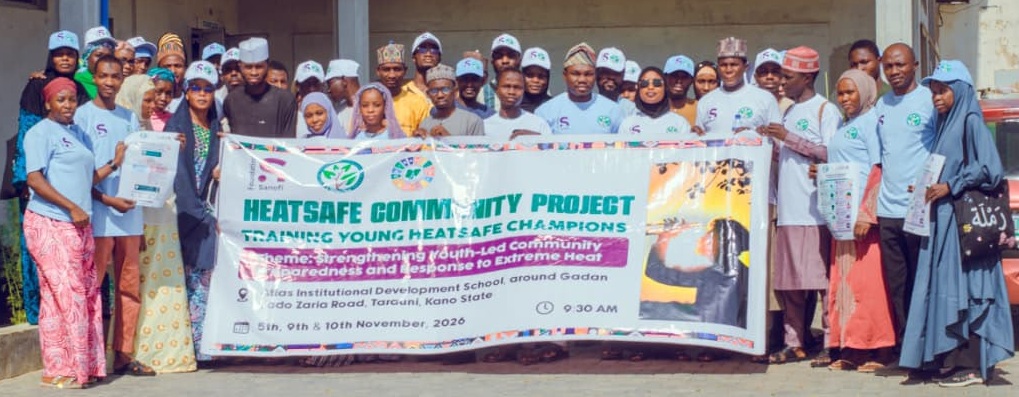
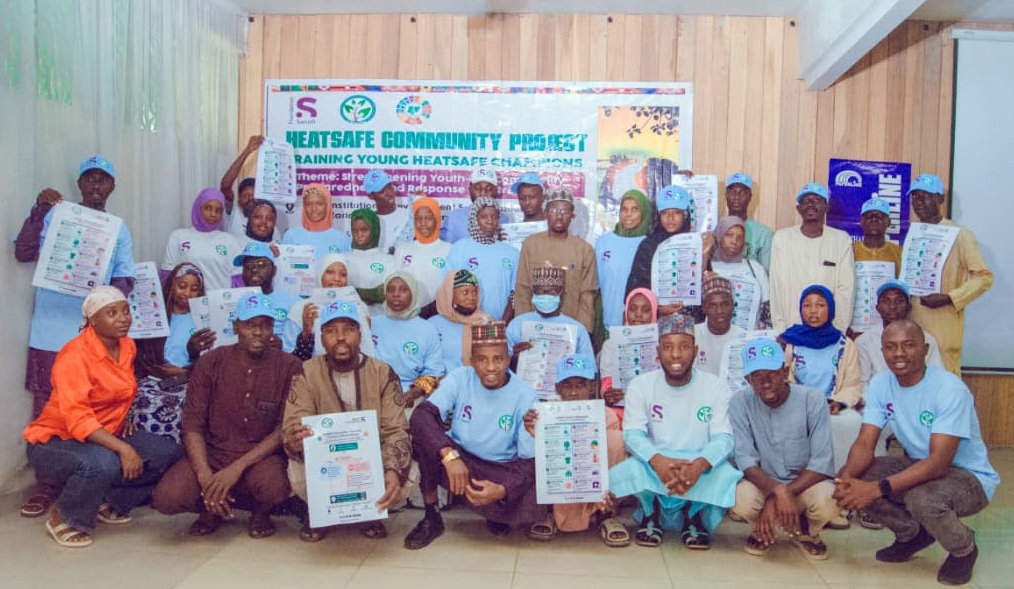
The Climate and Sustainable Development Network of Nigeria (CSDevNet), through its HeatSafe Communities Project, has trained 100 young people as Heat Champions to strengthen community preparedness and response to extreme heat in Kano State.
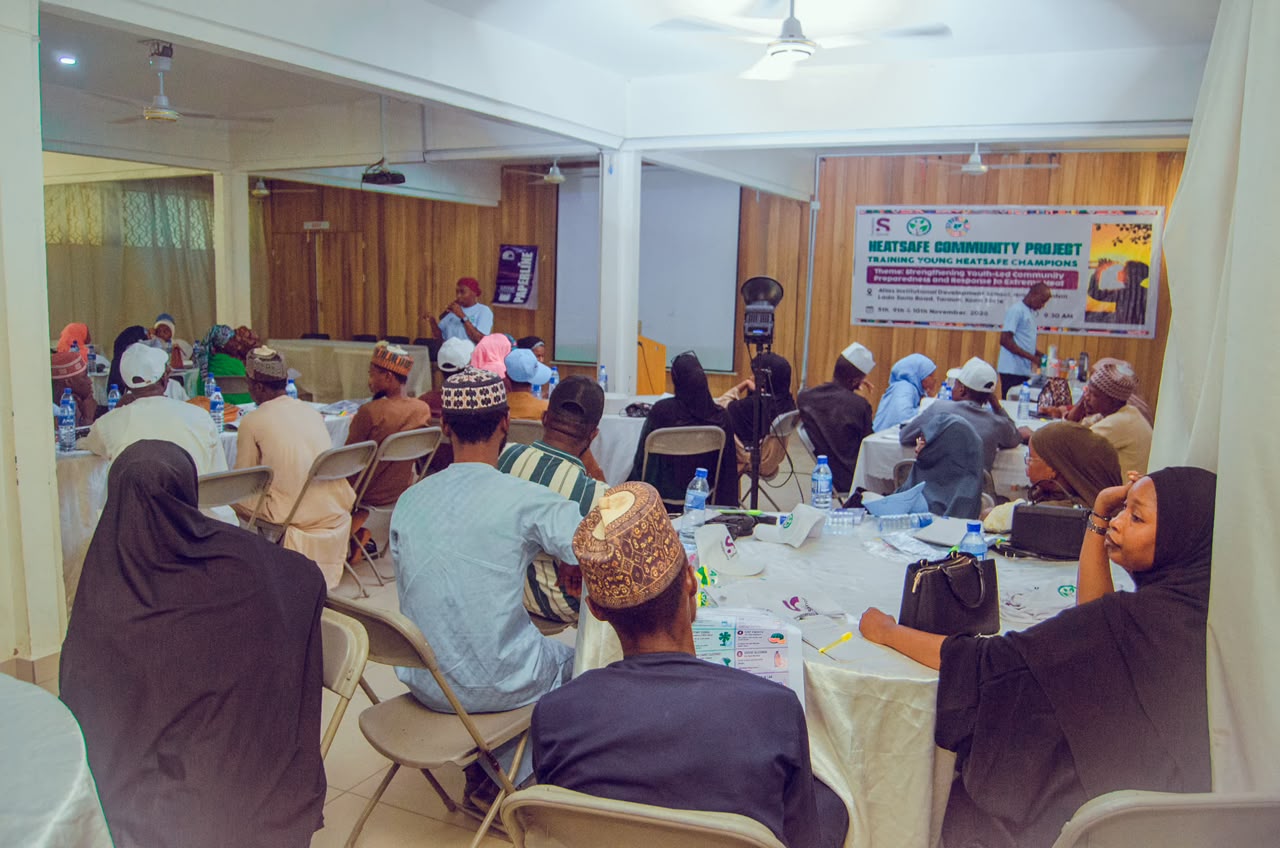
Held under the theme “Strengthening Youth-Led Community Preparedness and Response to Extreme Heat,” the training was designed to equip young people with practical knowledge and skills to identify heat-related health risks, promote preventive practices, support early warning and connect vulnerable community members to appropriate healthcare services.
The initiative comes at a critical time as the world experiences a strengthening El Niño event. El Niño is a climate phenomenon associated with unusually warm sea-surface temperatures in the central and eastern tropical Pacific Ocean. It influences weather patterns across different regions, including temperature and rainfall distribution. The World Meteorological Organization has warned that the 2026–2027 event could become very strong, increasing the likelihood of extreme weather conditions in different parts of the world.
In Nigeria, the Nigerian Meteorological Agency’s November 2026 outlook projects maximum temperatures of between 28.6°C and 37.7°C across the country, with increasing heat discomfort as rainfall declines in many areas. These conditions reinforce the need for communities to understand heat-related health risks and take practical steps to protect themselves. However, local weather conditions and other climate factors also influence temperatures and rainfall, meaning that not every heat event should be attributed directly to El Niño.
Building Knowledge and Awareness Through Virtual Training
The programme commenced on 5 November 2026 with a virtual onboarding and foundation training. The session provided participants with an introduction to the HeatSafe Communities Project, its objectives and the responsibilities expected of the selected Heat Champions.
On Thursday, the National Network Coordinator (NNC) of CSDevNet delivered the opening remarks, highlighting the importance and timeliness of the HeatSafe Communities Project in addressing the growing risks associated with extreme heat. He encouraged the 100 youth champions to take full advantage of the knowledge and opportunities provided by the training and apply what they learn to their communities. He further urged them to actively raise awareness about heatwaves, promote preventive measures, and educate community members on how to protect themselves, particularly vulnerable groups.
He stated, “This programme has come at the right time. I encourage all the Heat Champions to key into this opportunity, take the knowledge seriously and become ambassadors of heat awareness in their communities. We need you to help spread the message and ensure that more people understand the dangers of extreme heat and how to stay safe.”
Participants received training on understanding extreme heat, its associated risks, vulnerable populations and common heat-related illnesses. Particular attention was given to children, pregnant women, older persons, people with disabilities, individuals with underlying health conditions and outdoor workers, who may face greater risks during periods of extreme heat.
The session also explored household prevention practices, early warning information and referral pathways, with emphasis on the importance of linking people experiencing severe heat-related symptoms to Primary Healthcare Centres (PHCs).
The virtual training further addressed safeguarding, digital tools and the code of conduct expected of Heat Champions. Participants were introduced to digital reporting approaches that would support communication, documentation and coordination during community-level activities.
Practical Training Across Five Local Government Areas
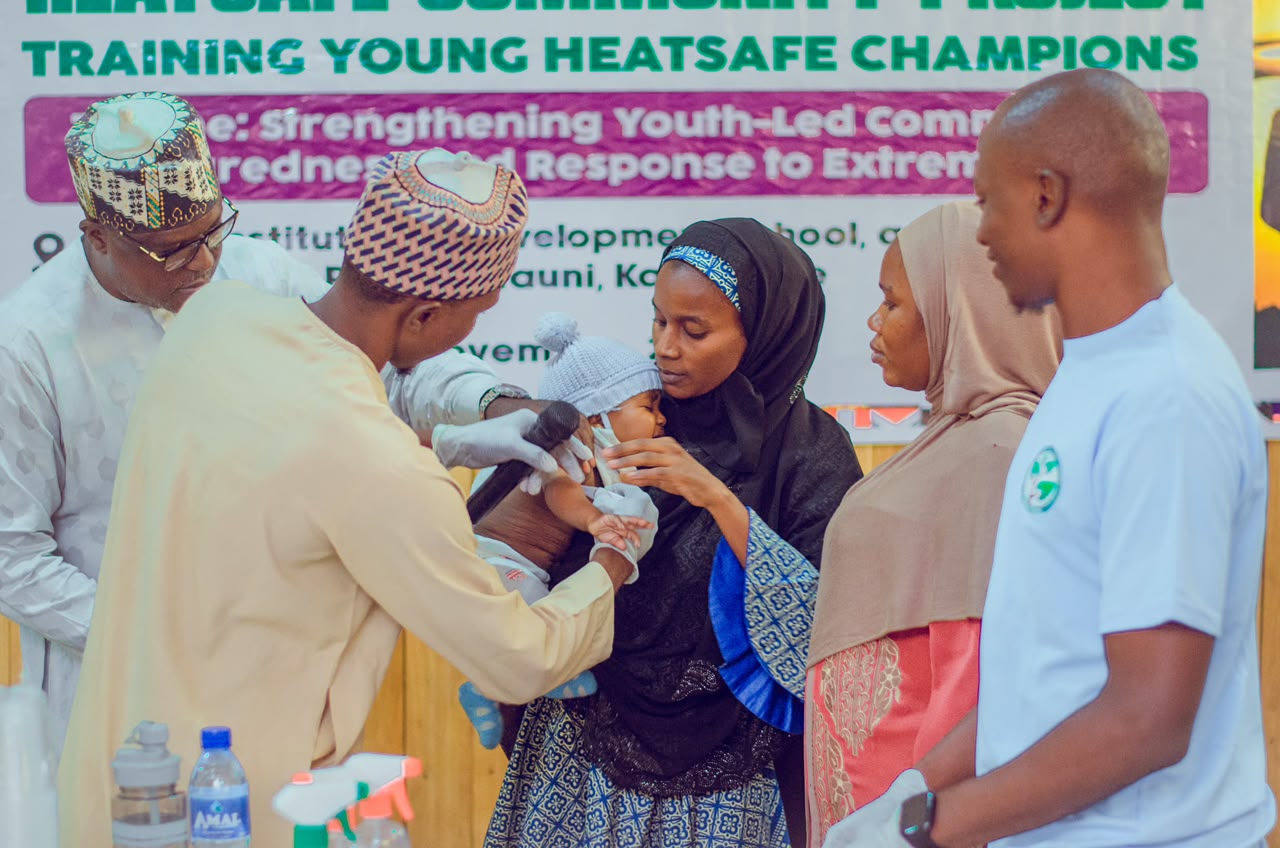
Following the virtual onboarding, CSDevNet conducted physical training sessions for the youth champions across five Local Government Areas in Kano State: Dala, Tarauni, Kumbotso, Gaya and Wudil.
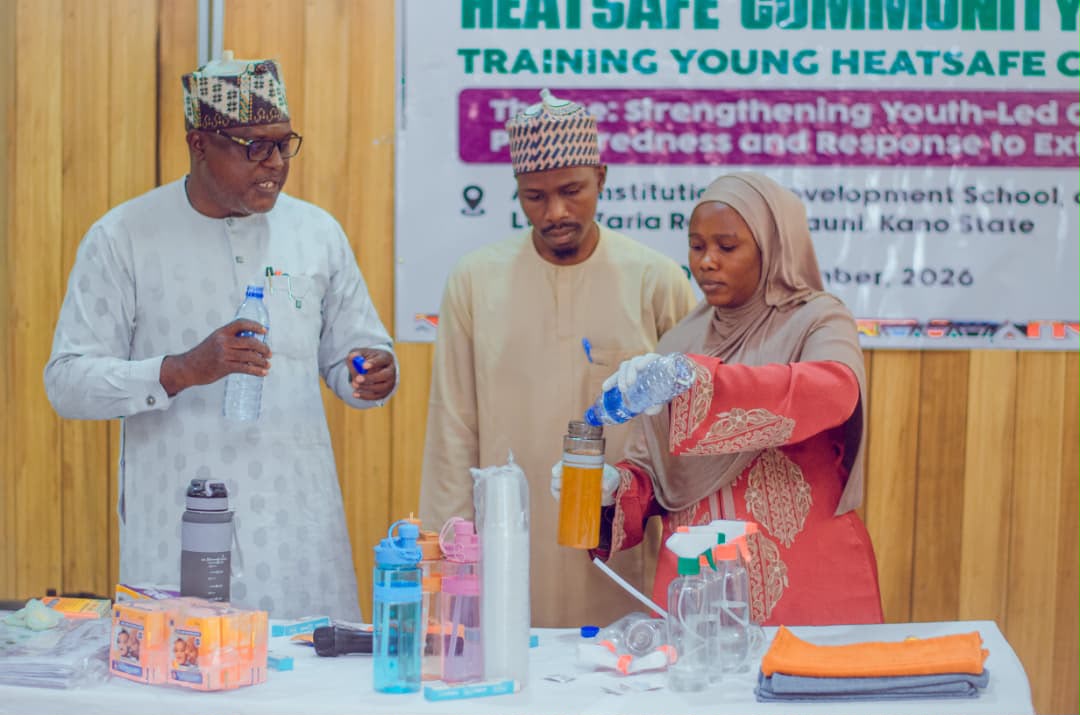
The practical sessions focused on recognising heat-related illnesses and understanding appropriate first-response measures. Participants were trained to identify symptoms of dehydration, heat exhaustion and heatstroke, while also learning how to distinguish possible heat-related illnesses from conditions such as malaria.
Mr. Ado Sanda, a public healthcare personnel member from the State Primary Healthcare Management Board (SPHCMB), facilitated a session on recognising and responding to heat-related illnesses. He educated participants on identifying symptoms of dehydration, heat exhaustion and heatstroke, as well as distinguishing these conditions from illnesses such as malaria. The session also covered basic first-response measures, including cooling techniques, proper preparation of Oral Rehydration Solution (ORS) and appropriate referral procedures.
He emphasised that heatstroke is a medical emergency requiring immediate medical attention, urging the youth champions to recognise warning signs, avoid delaying referrals, and understand the limits of their roles as community volunteers. He encouraged them to use what they learned to promote early intervention and help protect vulnerable members of their communities.
Equipping Youth to Lead Community Action
Beyond health awareness, the programme focused on strengthening the ability of young people to mobilise their communities and communicate heat safety information effectively.

Mr. Mohammed Usman, Community Engagement Specialist, facilitated a session on designing local heat awareness campaigns, equipping participants with practical skills in advocacy, peer mobilisation, campaign planning, storytelling and the use of digital platforms to promote heat safety messages. He emphasised the importance of engaging community members and using effective communication approaches to increase awareness of the risks associated with extreme heat.
The session also introduced participants to digital reporting tools, including WhatsApp groups, smartphone reporting, photo documentation, and basic data entry. He highlighted how these tools can support the collection and sharing of community-level information, improve activity documentation and strengthen coordination among the Heat Champions. The participants were encouraged to apply these skills in their respective communities to expand awareness and support the effective implementation of the HeatSafe Communities Project.
Another key component was the introduction to Heat Action Hubs. Participants learned about the purpose and structure of the hubs, the roles of Heat Champions, monthly meetings and the development of local action plans. The hubs are intended to provide community-level platforms where young people can coordinate awareness activities, share information and support local preparedness efforts.
Youth as Partners in Climate and Health Resilience
The training reflects CSDevNet’s commitment to promoting locally led climate action and recognising young people as important partners in community resilience.
As extreme heat creates increasing concerns for public health, livelihoods, education and everyday activities, community preparedness must go beyond awareness. It requires people who can identify risks, communicate timely information, promote preventive practices and help vulnerable individuals access appropriate services.
Through the HeatSafe Communities Project, the 100 trained youth champions are expected to take these messages into their communities, engage households and peers, support local heat awareness campaigns and strengthen connections between communities and Primary Healthcare Centres.
By investing in youth leadership and practical community-based action, CSDevNet is contributing to efforts to reduce heat-related health risks and build more informed, prepared and resilient communities in Kano State.
The message is clear: protecting communities from extreme heat requires collective action, timely information, and young people who are equipped to lead change.