
Written by Paul Gwumapan Joseph
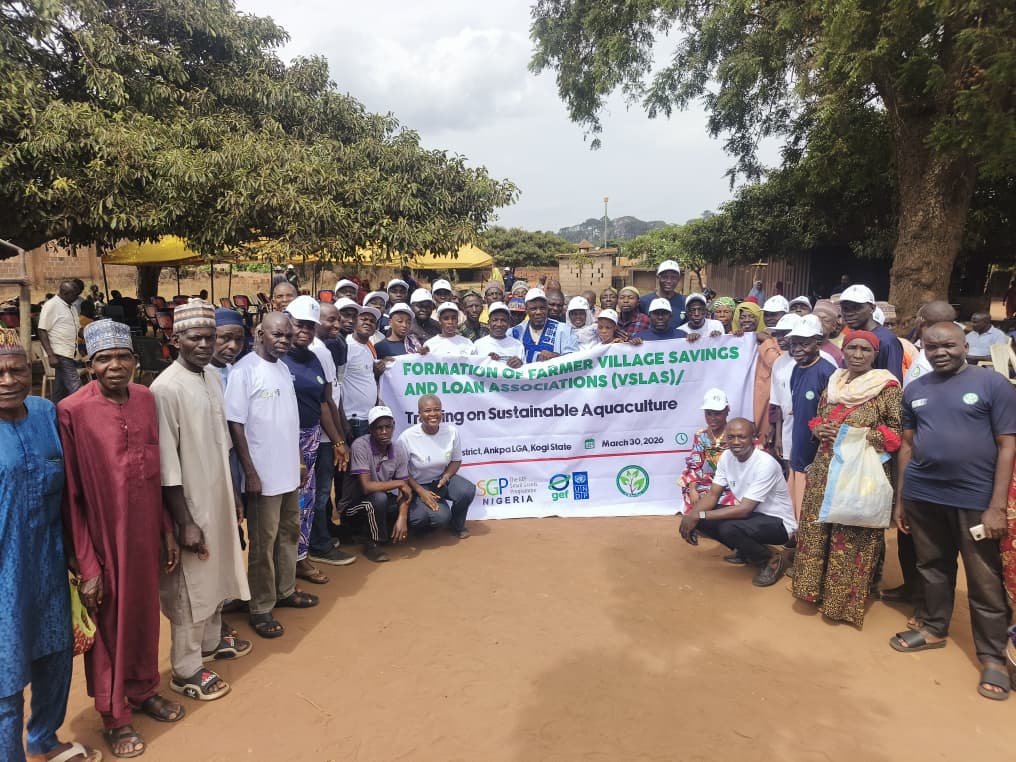
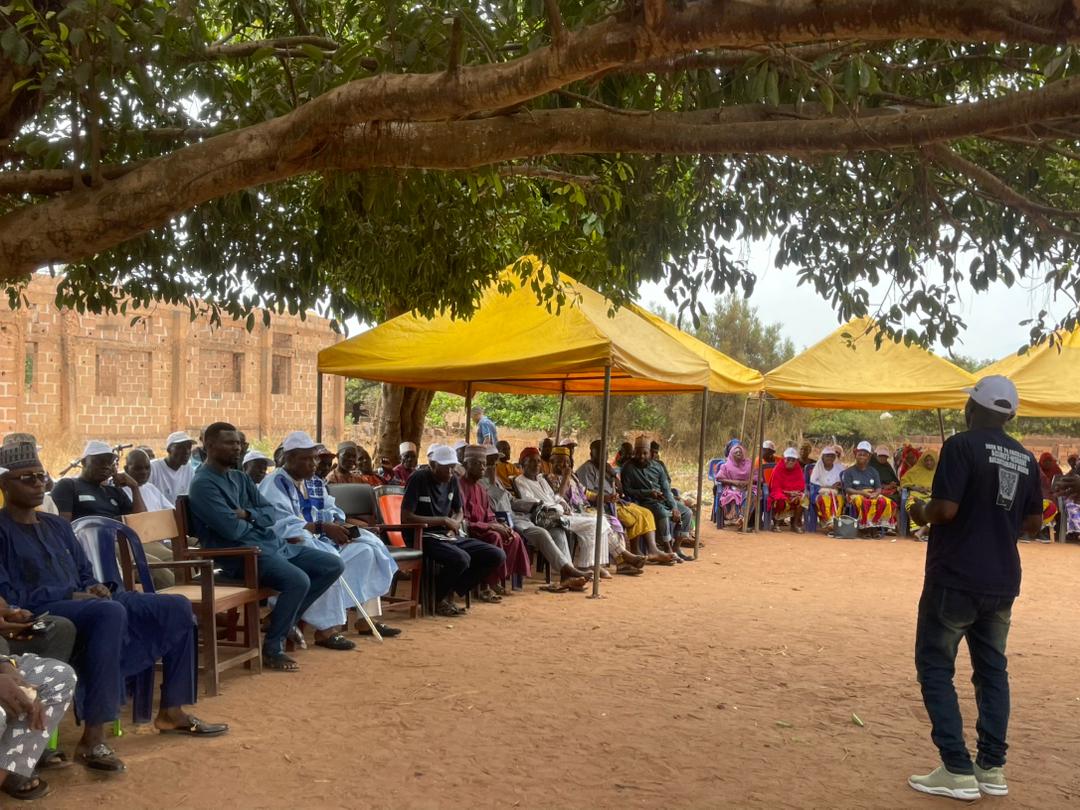
Climate and Sustainable Development Network (CSDevNet), with support from the GEF Small Grants Programme, has successfully conducted a combined Village Savings and Loan Association (VSLA) formation training and Sustainable Aquaculture capacity-building session in Enjema District, Ankpa Local Government Area of Kogi State on March 30, 2026.
This intervention is part of an integrated approach to addressing land degradation, climate change, and livelihood vulnerability in coal mining-affected communities by equipping local actors with both financial and technical capacities to transition toward sustainable livelihoods.
The training engaged approximately 200 participants, including smallholder farmers, women, and youth. Participants were introduced to the principles and structure of VSLAs and farmer cooperatives, with a focus on savings mobilization, internal lending, and transparent group governance.
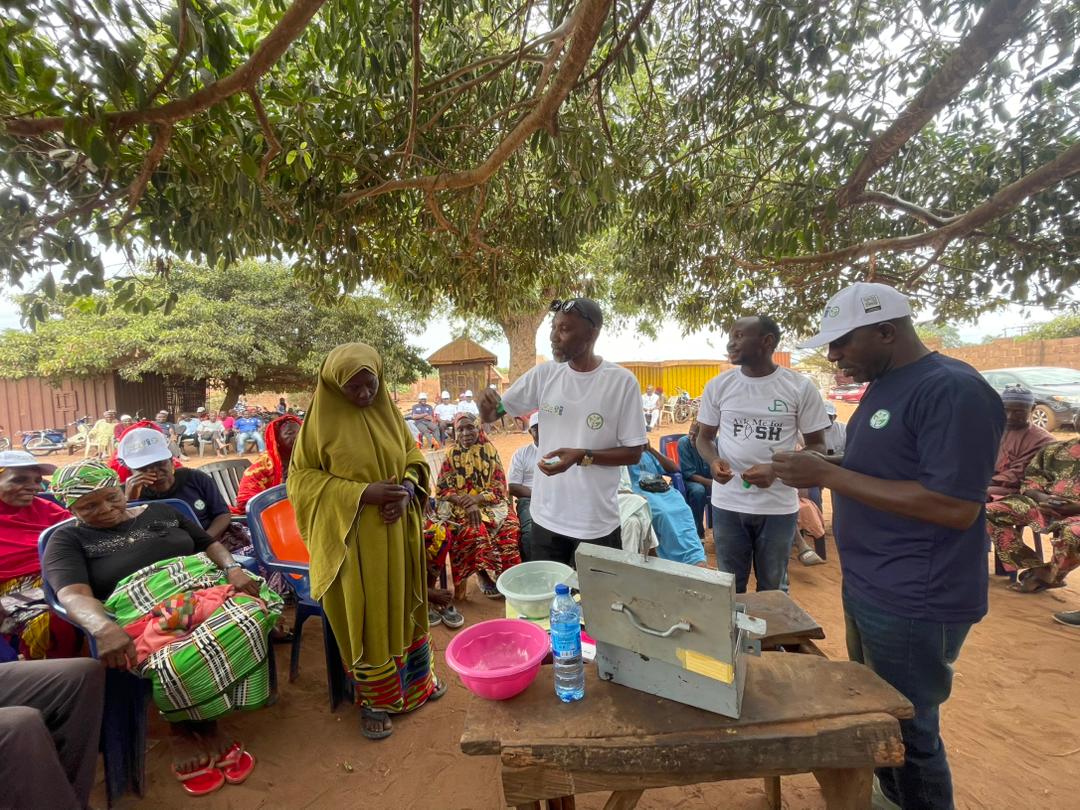
Rather than establishing the groups directly, the training focused on building the capacity of community members to initiate and manage their own VSLA/cooperative structures. Participants were guided through registration processes, group formation dynamics, and leadership selection, resulting in the emergence of preliminary group structures and interim leadership arrangements.
Introductory financial literacy sessions strengthened participants’ understanding of savings culture, record keeping, and accountability systems, key foundations for sustainable and self-managed financial groups. These structures are expected to improve access to finance, enable productive investments and reduce dependence on informal and high-risk borrowing systems.
To ensure that financial inclusion translates into tangible economic outcomes, the training integrated a practical session on sustainable aquaculture and fisheries management. Participants were equipped with foundational knowledge on pond preparation, water management, fish stocking, feeding regimes and basic disease control.
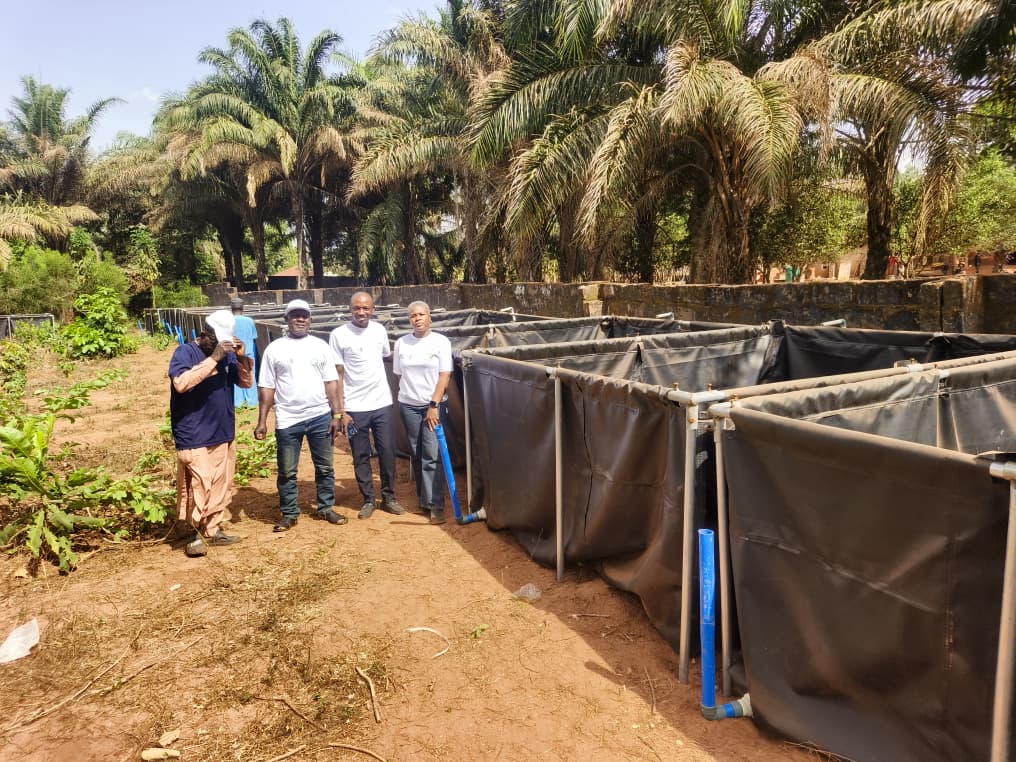
This component is strategically aligned with ongoing investments in aquaculture infrastructure under the project, positioning beneficiaries to apply acquired knowledge in real production systems. The approach strengthens the link between access to finance and productive asset utilization, enabling participants to invest in viable livelihood options.
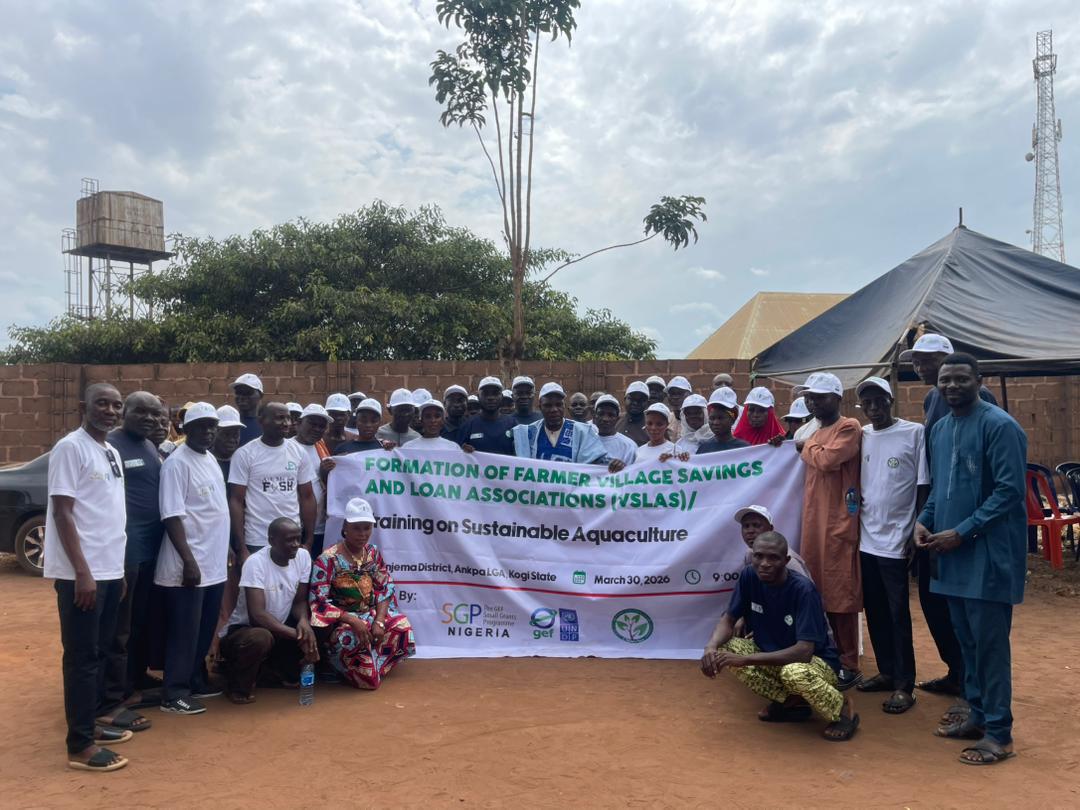
The training has generated important early outcomes. Community members are now better positioned to organize into functional savings groups, mobilize financial resources, and engage in collective economic activities. Technical awareness of aquaculture practices has also improved, creating readiness for uptake of alternative livelihoods.
Participation was strong, with active involvement of women and youth, reinforcing the project’s commitment to inclusive development. These outcomes represent a critical first step toward improving household income, strengthening resilience and reducing vulnerability to environmental shocks.
Contribution to Environmental and Development Outcomes
The initiative contributes to addressing key environmental challenges in Enjema District, where coal mining activities have contributed to land degradation, declining soil fertility and livelihood disruption.
By promoting aquaculture and climate-smart agricultural practices, the project is supporting a gradual shift away from environmentally harmful practices toward more sustainable, low-impact livelihood systems. Over time, this is expected to reduce pressure on degraded land, improve natural resource management, and strengthen climate resilience at the community level.
Addressing Implementation Realities
The project continues to adapt to on-ground realities, including infrastructure challenges such as water access for aquaculture systems. Ongoing efforts are being made to resolve these constraints to ensure that training outcomes are effectively translated into practice. This adaptive approach reflects CSDevNet’s commitment to practical, context-responsive implementation.
Positioning for Scale and Sustainability
The model being implemented offers a scalable pathway for building resilience in environmentally vulnerable communities. By focusing on capacity building rather than direct establishment, the approach strengthens local ownership and sustainability. The VSLA and cooperative structures being initiated through this process are expected to serve as long-term platforms for financial inclusion, input access and market participation.
The intervention also aligns with ongoing efforts to strengthen community-level environmental governance, including the development of a Community Green Action Plan (CoGAP), which will provide a framework for coordinated local action on environmental protection and sustainable livelihoods.
Conclusion
This activity demonstrates a practical and integrated approach to resilience building, one that connects finance, skills and environmental sustainability. By equipping communities with the tools to organize, invest and adapt, CSDevNet is supporting a transition toward more resilient and sustainable livelihood systems in Enjema District.
The organization remains committed to working with government, development partners, and local stakeholders to refine, scale, and replicate this model across similar contexts where environmental degradation and livelihood vulnerability intersect.