

Written by: Mariam Idris
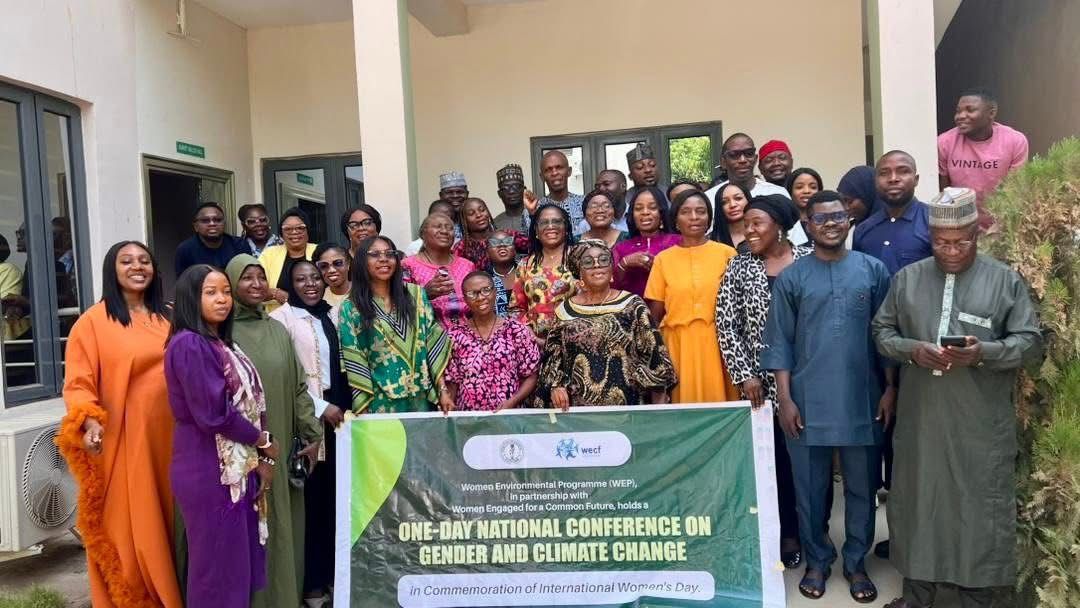
One of the clearest indicators of CSDevNet’s inclusive leadership is its identity as a gender-responsive organization. On the 5th of March, Climate and Sustainable Development Network participate in the 2026 National Action Plan on Gender and Climate Change Conference organized by Women Environmental Programme (WEP)and the Federal Ministry of Environment, Department of Climate Change. Gender inclusion is not treated as a peripheral concern but rather as a core operational principle embedded in its programs, advocacy, and community engagement. By prioritizing gender equality, CSDevNet has consistently promoted women-led community actions, ensuring that women are at the forefront of climate resilience initiatives and local development strategies.
In her keynote address, the Global Lead of WEP Dr. Priscila Achakpa noted that, leadership approach challenges traditional gender norms prevalent in many Nigerian communities where women have historically been excluded from decision-making spaces.
Notably, the Gender Thematic Lead of CSDevNet plays a strategic role in the National Adaptation Plan (NAP) process, collaborating closely with the Nigerian government and international climate actors. This involvement ensures that gender perspectives are integrated into national climate planning, reinforcing the importance of inclusive strategies in addressing climate change.
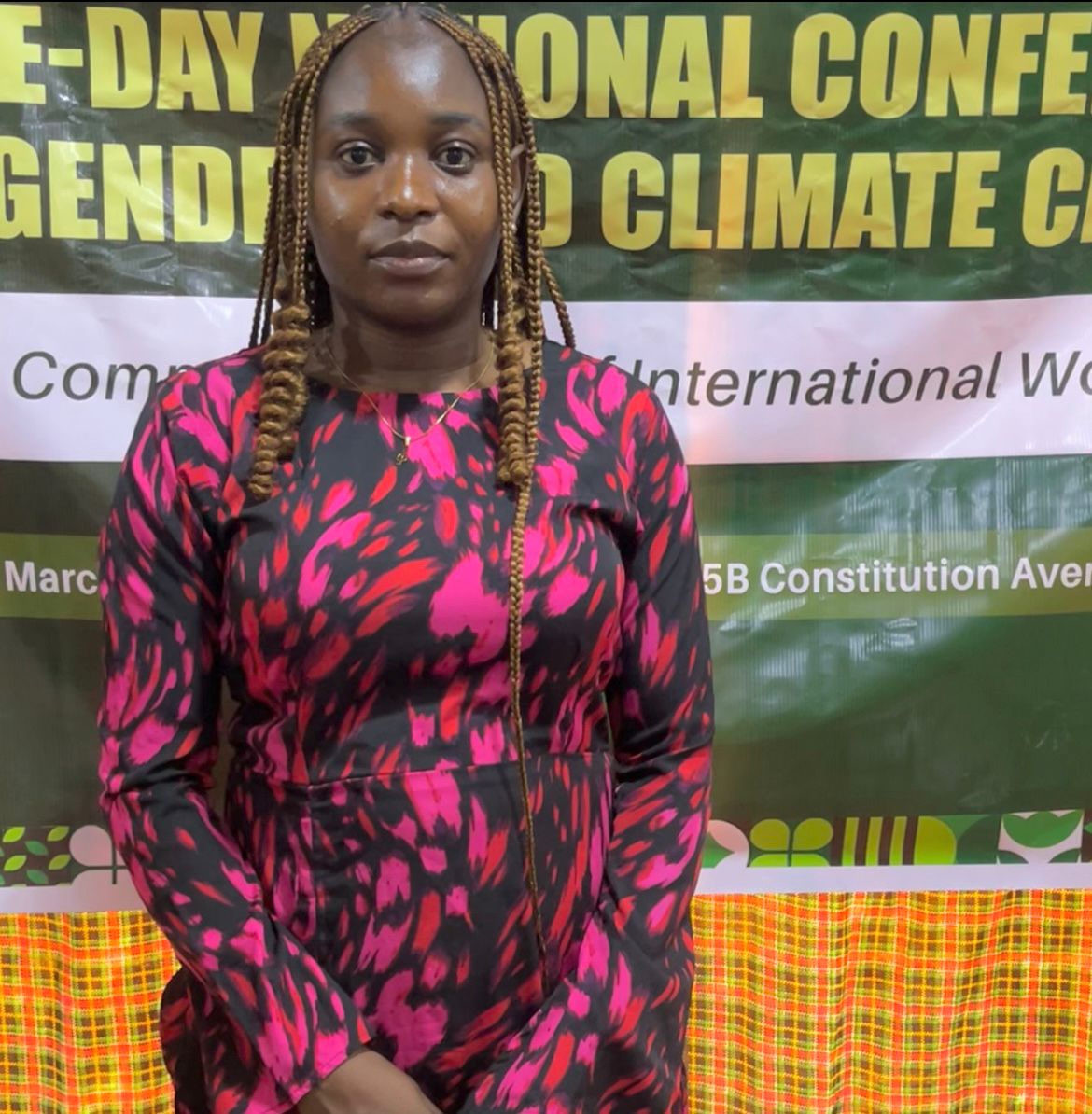
Through these engagements, CSDevNet bridges the gap between grassroots experiences and policy development, ensuring that the voices of women and vulnerable communities are represented in decision-making spaces.
Gender mainstreaming is central to CSDevNet’s approach. It goes beyond simply increasing the number of women involved in climate action initiatives. Instead, it seeks to unpack the various nuances beyond numbers, focusing on opening opportunities to harness the abilities, knowledge, and leadership of both women and men while ensuring that the benefits of development are shared equally.
She further noted that, understanding structural and institutional imbalances is fundamental to addressing existing gender inequalities. These imbalances often limit the capacity, agency, and personhood of women in many communities. When policy processes fail to acknowledge the differential impacts of climate change on women, girls, men, and boys, they risk becoming ineffective and exclusionary.
Gender mainstreaming in climate action is therefore anchored on three fundamental pillars:
- Empowerment: Strengthening the agency, leadership, and decision-making power of women and marginalized groups.
- Inclusion: Ensuring meaningful participation of all stakeholders in climate governance processes.
- Equity: Guaranteeing that climate interventions and benefits are distributed fairly across genders and social groups.
CSDevNet’s efforts align closely with the National Action Plan on Gender and Climate Change for Nigeria (2020–2025), which seeks to integrate gender considerations into climate change initiatives across the country. The plan aims to ensure that policies, programs, and climate finance mechanisms are inclusive of women, youth, and other vulnerable groups.
The framework promotes gender-responsive adaptation and mitigation strategies, while also facilitating the mobilization of climate finance to strengthen community resilience. By aligning its programs with this national framework, CSDevNet contributes to building a more inclusive climate governance system in Nigeria.
Conclusion
The ongoing review of the National Action Plan on Gender and Climate Change (NAPGCC) presents a critical opportunity to strengthen gender-responsive climate action in Nigeria. As climate challenges intensify, integrating gender perspectives into policies and programs will be essential for achieving sustainable and equitable solutions.
Conferences and stakeholder dialogues play an important role in this process. They provide platforms for government institutions, civil society organizations, the private sector, and community representatives to assess achievements, identify gaps, and develop practical recommendations for improving the NAPGCC.
Moving forward, stronger collaboration among stakeholders will be essential to ensure that climate policies are inclusive, equitable, and responsive to the needs of women and other vulnerable groups. By continuing to champion gender-responsive leadership, organizations like CSDevNet demonstrate that inclusive governance is not only possible but necessary for building resilient communities and sustainable development pathways in Nigeria.