
Written by: Mariam Idris
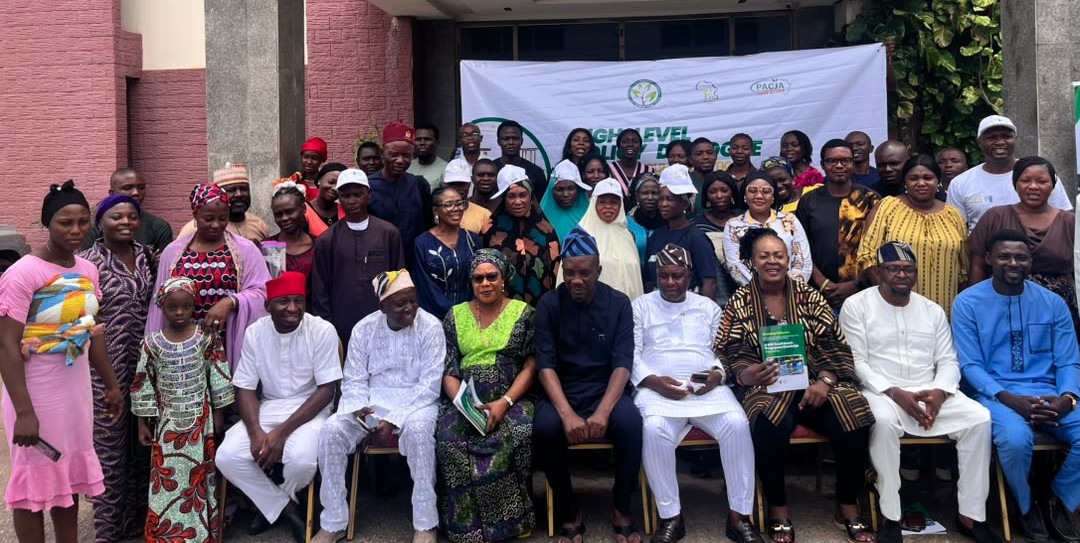
As part of the side event of the Enjema Land Restoration Project, the Climate and Sustainable Development Network (CSDevNet) convened a High-Level Dialogue on Community Climate Action and the Implementation of the Paris Agreement on 16 September 2026 in Lokoja, Kogi State. The dialogue brought together relevant state stakeholders, civil society organisations and other actors to strengthen collaboration and promote the integration of community-led climate action into climate policies and programmes, particularly as stakeholders prepare towards COP31 in Türkiye. The engagement provided a platform for stakeholders to reflect on how local experiences, knowledge and solutions can contribute to Nigeria’s climate commitments and strengthen climate action at the state and community levels.
In his welcome remarks, Mr. Steve Abuh, National Network Coordinator of CSDevNet, stressed the need for greater urgency in translating community-level climate actions into Nigeria’s NDC 3.0, emphasising the importance of ensuring that experiences and solutions emerging from communities inform national climate implementation.
Speaking at the dialogue, Mr. Michael Onimisi Ajibade, Director-General of the Kogi State Climate Change Agency, expressed enthusiasm about the shift from climate change awareness to practical action in the state. He highlighted the progress being made by the Kogi State Government in developing its Climate Change Action Plan and Policy, describing it as an important milestone for climate action in the state.
“I am so excited to be here. The fact that we are moving from awareness to action is encouraging. The state is working on its Climate Change Action Plan and Policy, and this is a milestone in our climate change efforts,” Mr. Michael Onimisi Ajibade, Director-General, Kogi State Climate Change Agency
Mr. Ajibade also called for stronger collaboration between civil society organisations and government, noting that partnerships are essential to advancing climate action and improving access to climate finance. He further emphasised that climate change is a multisectoral issue, cutting across areas such as healthcare and water resources, and therefore requires unity and coordination among stakeholders to achieve meaningful results.
The dialogue also featured a technical session facilitated by Mr. Paul Joseph, Programme Officer, CSDevNet, titled “Community Climate Action, NDCs & NAPs: From Local Action to National Climate Implementation.” The session highlighted the critical role of farmers, women, youth, traditional institutions and grassroots organisations in translating national climate priorities into practical local action. It identified community-based interventions such as climate-smart agriculture, land restoration, water management, renewable energy, livelihood diversification and community governance as important responses to climate risks. The Enjema experience was presented as a practical example of how community-led solutions can contribute to broader climate adaptation and sustainable development objectives. “From local action to national climate implementation,” Mr. Joseph emphasised.
The session further examined implementation gaps between policy, planning, finance, implementation, evidence and accountability. Participants discussed the need to ensure that community priorities are reflected in state and national climate planning while documenting local experiences and results so that tested community solutions can inform future policy and programming. The session encouraged stronger coordination among government institutions, CSOs, communities, technical actors and development partners, alongside improved access to climate finance for locally identified adaptation priorities.
A key component of the dialogue was the panel discussion, “Localising the Paris Agreement: From Community Evidence to Policy,” which explored practical pathways for strengthening the connection between grassroots climate action and policy. The discussion focused on how community knowledge and evidence can be captured and translated into climate policies that reflect local realities; barriers limiting the meaningful participation of women, youth, Indigenous peoples and grassroots organisations in climate decision-making; and how government, civil society and other stakeholders can strengthen the link between community action and Nigeria’s NDCs to promote inclusive and effective climate implementation.
The high-level dialogue reinforced the importance of moving beyond climate awareness towards coordinated, community-driven and evidence-based climate action. As Nigeria and its stakeholders prepare for COP31, the engagement underscored the value of strengthening collaboration between communities, government and civil society to ensure that local experiences and solutions contribute meaningfully to national climate commitments and the implementation of the Paris Agreement.